
Fractions and Flavor

Growing up, math felt like a foreign language I wasn’t invited to speak. It was a landscape of cold formulas and paper-thin abstractions that seemed to have nothing to do with the rhythm of my real life.

But as I’ve grown, as a researcher, a mother, and a creator, I’ve realized that math is exactly like spice. It’s everywhere, adding balance and rhythm to the world, even when it’s invisible. From the moment we wake up, our minds begin to measure. How much time do we have? How do we divide our energy? A few minutes here, a “pinch” too much there, and the entire flavor of the day shifts.
Baking with Ratios
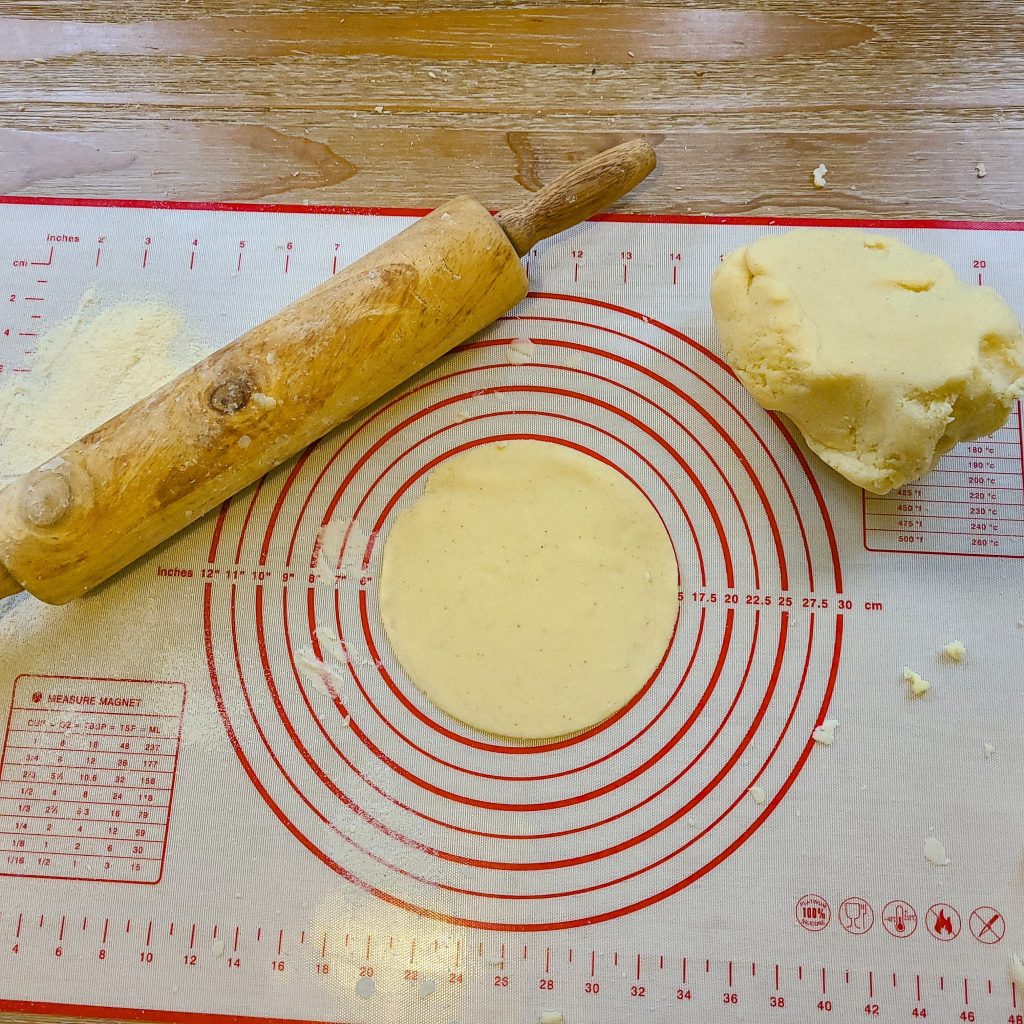
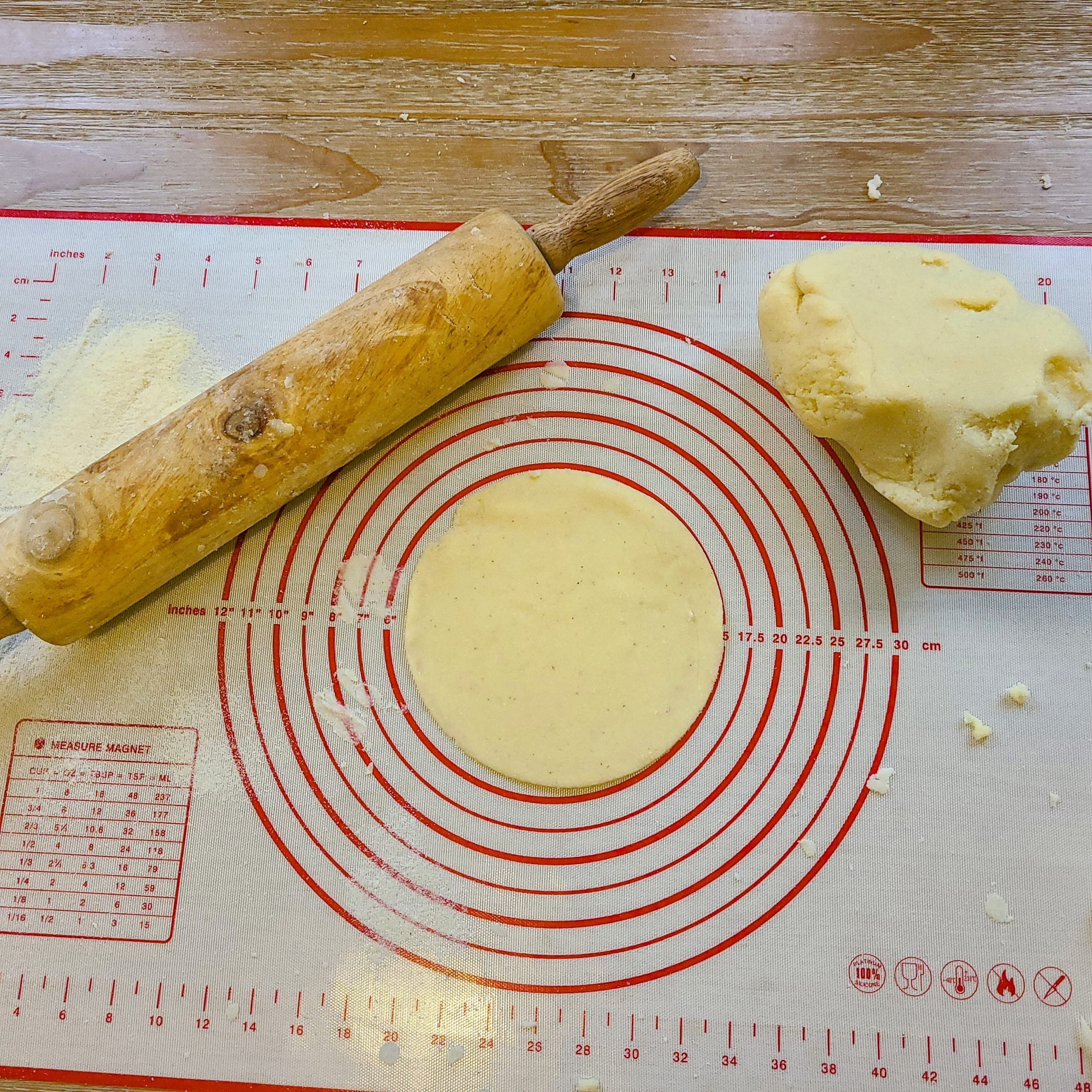
My perspective shifted when I stopped “following recipes” and started understanding ratios. Reading Michael Ruhlman’s Ratio was a “lightbulb” moment for me. Suddenly, baking wasn’t a mystery of luck; it was a predictable harmony of fat, liquid, and flour.
Now, watching my daughter bake, I see her “grounding” herself in these measurements. When she levels off a ¼ cup of sugar, she isn’t just doing homework; she’s participating in a tradition of precision. She is learning that once you master the data, the hard ratios that make a structure sound, you earn the freedom to be spontaneous. You have to know the rules of the “spice” before you can learn to break them beautifully.
Lessons from Crafting Ember Spices
In my work with Ember Spices, this becomes even more literal. We ask ourselves: How many grams of smoked paprika create warmth without drowning out the earthy notes of the cumin? That isn’t just “cooking, or making a blend”, it’s data collection.
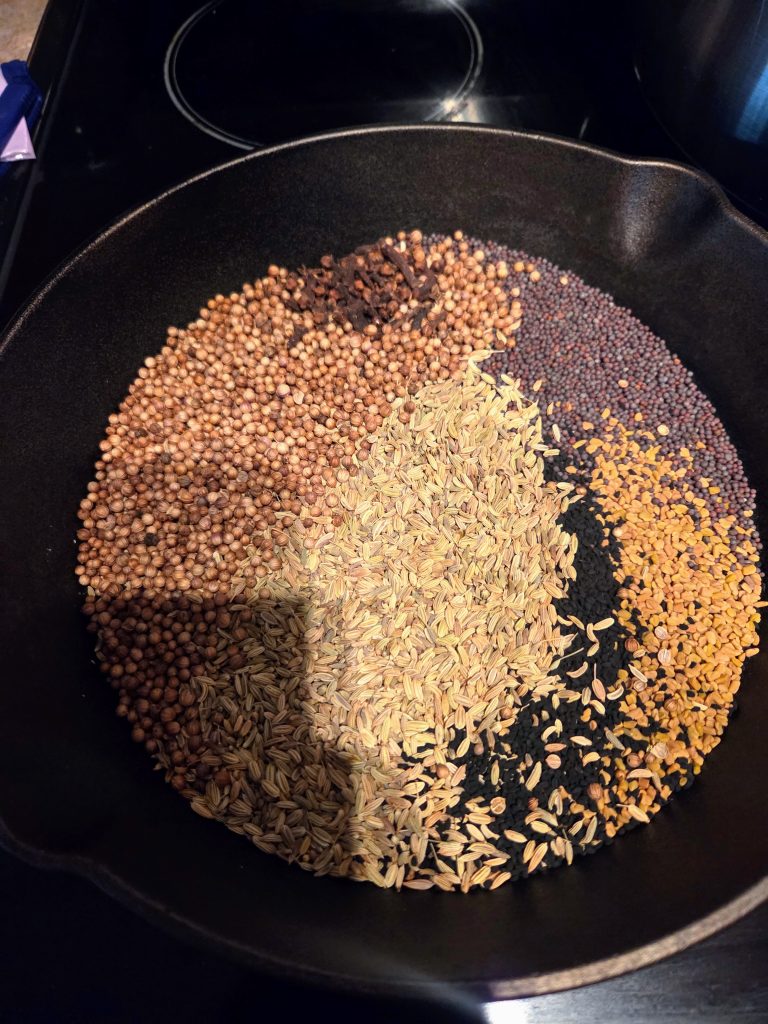
Think of the grandmother who never uses a measuring spoon, yet her stew is perfect every time. We often call that “intuition,” but it’s actually lived data. She has spent decades observing, adjusting, and calculating. She is a master statistician of the kitchen. She knows that life, like a good recipe, requires constant scaling. Doubling the joy (multiplication) or halving the burden (division) requires us to constantly adjust our proportions to achieve harmony.
The Ratios of Creation
To me, this order isn’t accidental. There is a certain faith required to believe that if we follow the ratios, the bread will rise. We see math in the way a child decides to share a toy, weighing the “cost” of sacrifice against the “dividend” of joy. We see it in our budgets, our schedules, and our errands.
To me, math is more than just logic; it is a reminder of the intentional order in which God created the world. I find myself wondering about the “ratios” of creation: How many trillions of gallons of ocean water are required to ensure the perfect cycle of rainfall? How many beats per minute must a heart strike to sustain a life in peak condition?
Math is the quiet architecture of the universe. It is the evidence of a Creator who loves order, yet gave us the “spices” of life to play with.
So the next time you feel “bad at math,” remember: you are calculating every time you plan, every time you love, and every time you season a pot of soup. Math isn’t just numbers on a page. It is the quiet spice that holds our world together, making life not just orderly, but delicious.

A Moment to Measure
We all have a ‘hidden math’ that we use every day without thinking about it. What is the one area of your life, whether it’s in the kitchen, your schedule, or your hobby, where you’ve realized that ‘data’ and ‘intuition’ actually work hand-in-hand?”
With Love
Andrea (Kashie)